The Project Hope Objective
Project Hope’s objective is to provide opportunity and employment for women who are single mothers and who rely on social grants, and access to income through various means with an emphasis on learning and development. Access to stable home environments and educational learning in the home to support Early Childhood Development; Awareness, advocacy, and opportunities to address health and hygiene including the management of plastic waste. Real-time information from townships and rural communities in order to make the provision of services relevant.
Gender-based violence & Outdated Community Information
Gender-based violence is prevalent in South Africa with one in five (21%) ever-partnered women aged 18 or older have experienced physical violence committed by a partner in their lifetime.
Several studies have found that a lack of economic independence among women is a key driver of Gender-Based Violence with 13.4% of ever-partnered women in the lowest wealth quintile, aged 18 and above, have experienced physical violence in the last 12 months2 which is the highest of all quartiles and 67.5% higher than the second-highest. Women between the ages of 18 and 34 also have the highest rate of physical violence incidents.
By providing a reliable source of income to single unemployed mothers, Project Hope is intended to assist the Entrepreneurs and Hopepreneurs to become financially independent and therefore less likely to fall victim to this national pandemic as well as providing a valuable example for others 2: https://dhsprogram.com/pubs/pdf/FR337/FR337.pdf (Table 20.4 – Page 365)
The last national census was carried out in 2011, which means all statistics not covered by other StatsSA research is out of date by almost a decade Each Entrepreneur in the Project Hope campaign, employs 10 Hopepreneurs who are equipped with Tablets and data packages to conduct door-to-door surveys and research key issues within their community. This facilitates not only information-gathering, but allows us to communicate key messages, identify at-risk issues or problems, and provide real-time reporting back to municipal, district or regional government, where required, at least, our impact reports include accurate information about community employment, community skills levels and allows us to create a baseline to report against throughout the project duration.
Educational Development
The “formative” years are those years from 0 – 5 years of age. Early child development sets the foundation for lifelong learning, behaviour, and health. The experiences children have in early childhood shape the brain and the child’s capacity to learn, to get along with others, and to respond to daily stresses and challenges. Parent participation in early childhood education and care settings not only improves children’s development (Greenspan & Shanker, 2004; Mustard 2006), but also strengthens families and parenting skills through connecting and sharing with other families (Gordon, 2005; Wilson, 2006).
High-quality childcare settings and pre-school education improve children’s developmental outcomes. Children brought up in this environment, scored higher on language, literacy, and numeracy tests throughout their schooling; finished more years of school; and had higher rates of employment (Campbell & Pungello, 2000; Schweinhart, 2004).
Hopepreneurs as active citizens
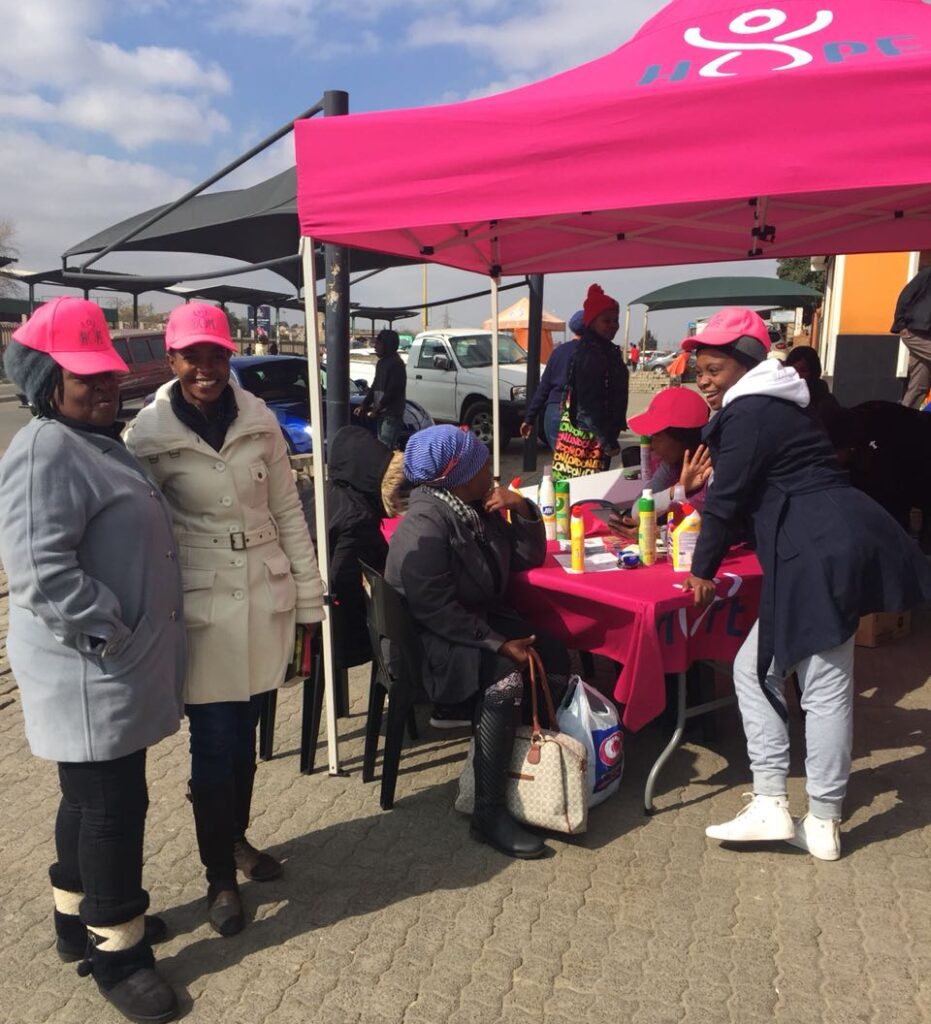
Each Project Hope business acts as a micro-distributor with direct sales to consumers, organisations, and small businesses. Business support services such as marketing and accounting are provided by Siyakha until the Entrepreneur is well established and fully trained and self-sufficient.
Product training is provided as well as sales skills, negotiation skills, financial literacy training and health and hygiene advocacy, first aid, and others. A dedicated extension officer engages regularly in the field to drive support, personal coaching, growth, and sales excellence. Stock is ordered and delivered bi-weekly to ensure that stock levels are regularly replenished Web-based sales or inquiries are supported by the Siyakha team and shared amongst the participants
Our Hopepreneurs receive training in:
- First Aid
- Community counseling
- Introduction to early childhood development
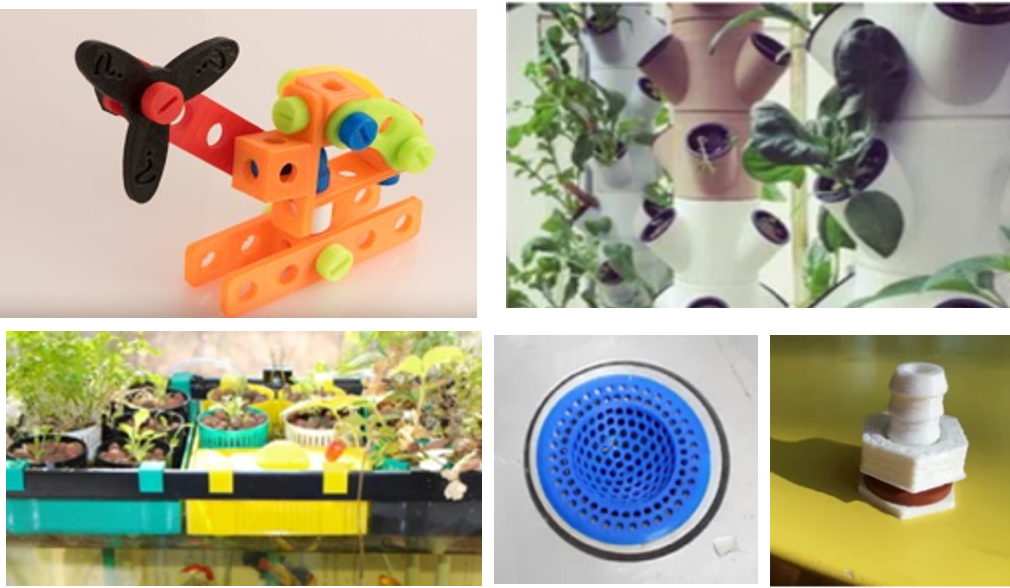
Furthermore, we provide access to 3D printers through a program called “Why? Corp” so that a range of educational toys and stimulants can be provided in each household to equip these women with the tools to support community learning and growth.
Project Hope Sites
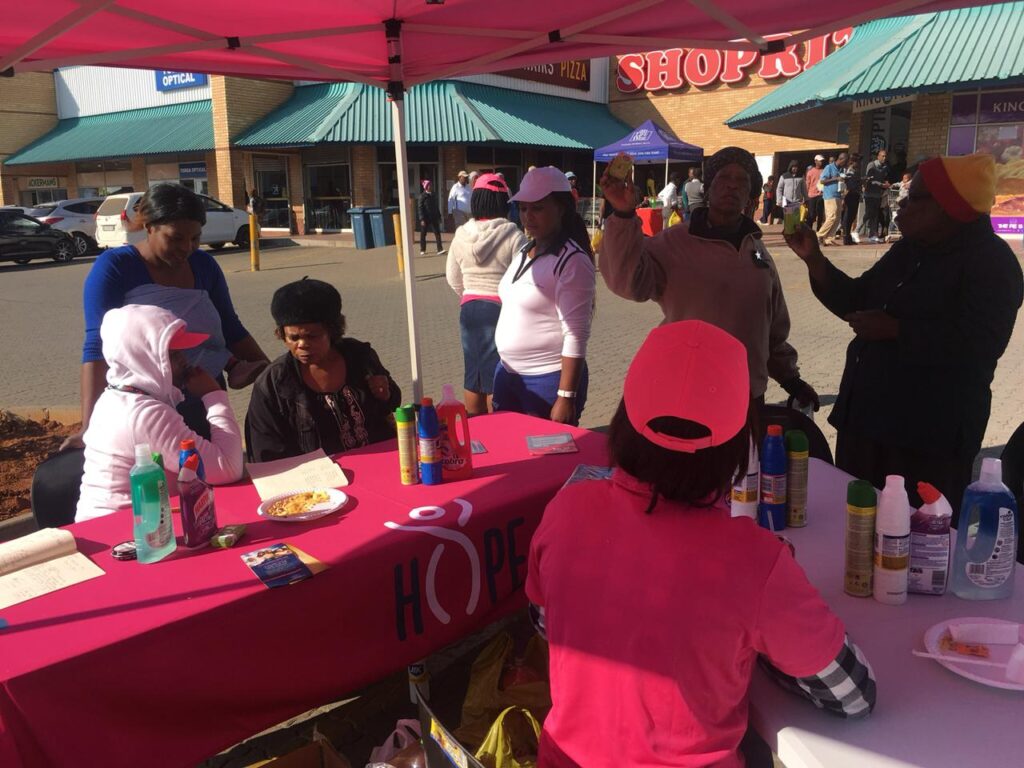
Project Hope sites are currently operational in Tembisa and Soweto. Planning is underway to launch Project Hope in various townships across Gauteng.
The goal is to have 100 Project Hope sites operational, COVID slowed down our project implementation significantly and the original sponsor has withdrawn due to a different focus however we are pushing ahead with the project, self-funded, and doing what we can with our limited resources. However, Siyakha is continuing to drive the project, based on our belief in the model and the impact that it makes on ordinary South Africa.
We believe we could achieve a significant national scale as our mobilisation period is now down to 30 days, and each project site becomes self-funding after the first 12 months.
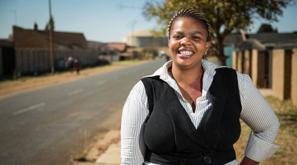
Testimonials from A Hopepreneur
The “What”
WHAT can be 3D printed & sold immediately on an entry-level 3D printer
- Educational items
- Toys
- Household items
- Agricultural products such as sprinklers, connectors, clamps, covers
- Healthcare assistive devices such as splints, hand supports, soles, pulleys, etc.